

Lab Grown Diamond Color Grades: D vs E vs F Does It Matter?
Table of Contents
Introduction
When shopping for a diamond, one of the biggest questions buyers ask is: Does diamond color really matter? If you're looking at lab grown diamonds, you've probably seen color grades like D, E, and F and wondered whether paying extra for a higher grade is actually worth it.
At first glance, these diamonds may appear identical. After all, they all look stunning, sparkle brilliantly, and can be nearly impossible to tell apart without professional tools. But when it comes to price, appearance, and overall value, subtle differences do exist.
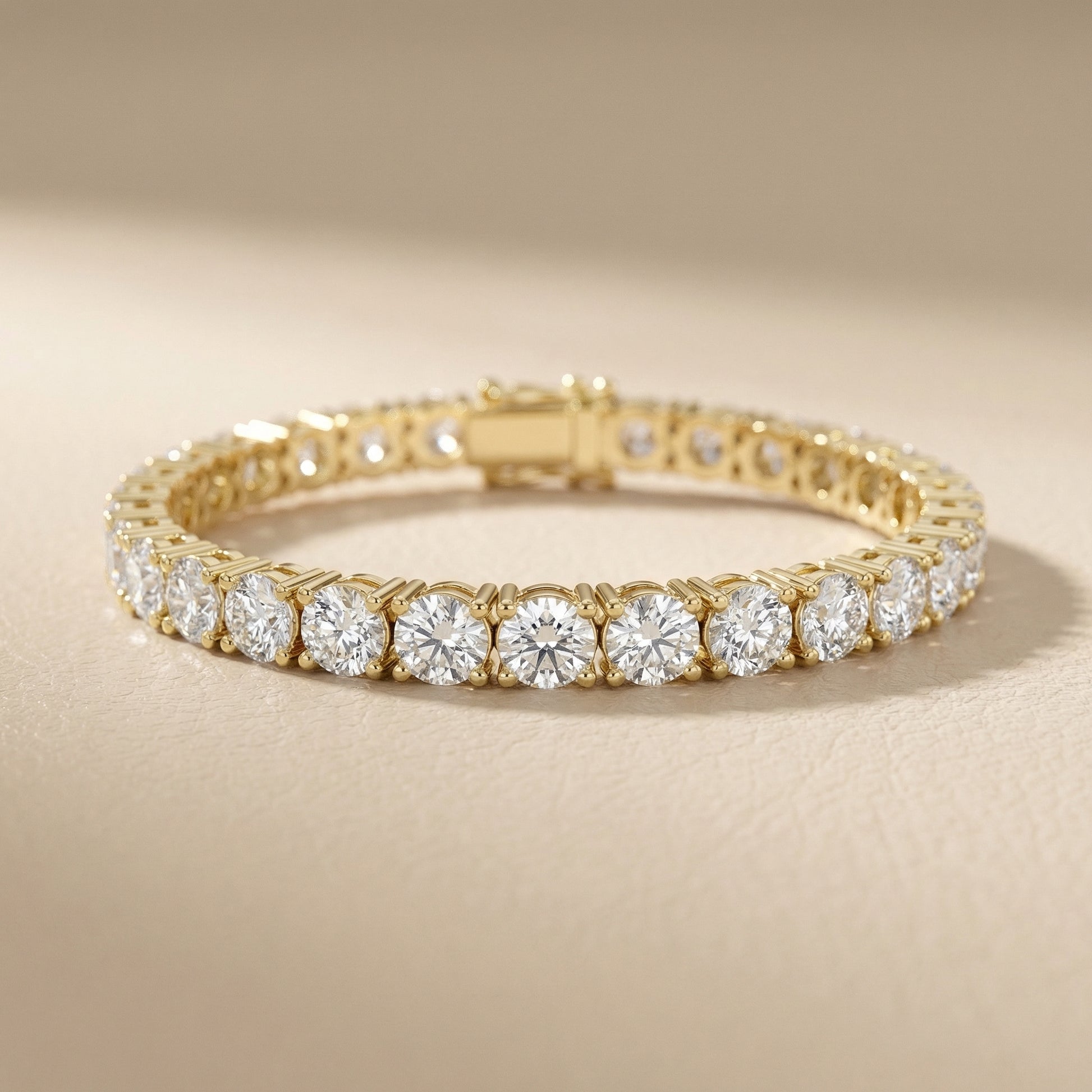
Whether you're buying an engagement ring, earrings, or timeless jewelry, understanding diamond color grades can help you make a smarter decision. Many shoppers today are turning to Lab Grown Diamond Jewelry because it offers the same brilliance as mined diamonds at a more affordable price without compromising beauty or quality.
In this guide, we'll break down D vs E vs F lab grown diamond color grades, explain if the differences matter, and help you decide which option is best for your a budget and style.
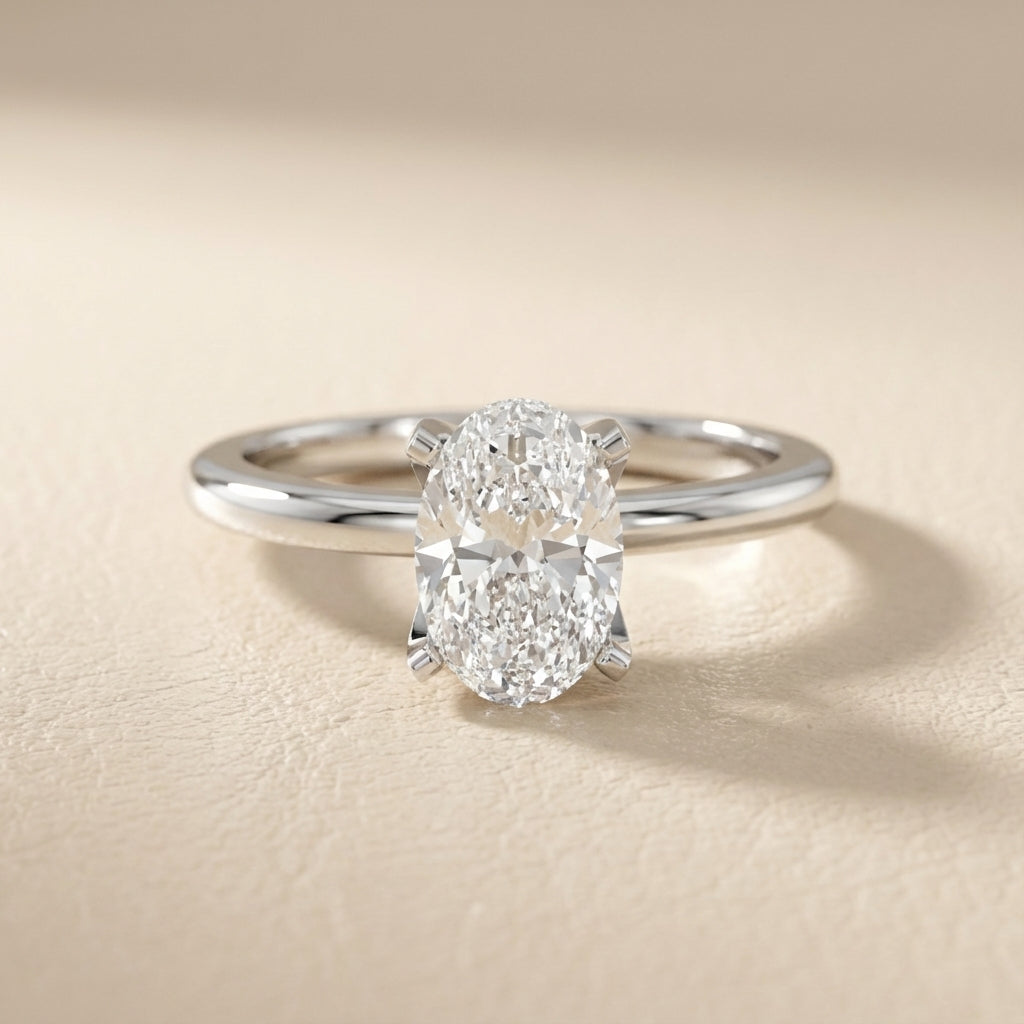
Understanding Lab-Grown Diamond Color Grades
Before comparing D, E, and F diamonds, it’s important to understand how diamond color grading works.
Diamonds are graded by the GIA (Gemological Institute of America) color scale, which ranges from D to Z.
- D Color: Completely colorless
- E Color: Nearly colorless with extremely slight traces of color
- F Color: Slight warmth detectable only by professionals
The closer a diamond gets to D, the rarer and more valuable it becomes.
Here’s the important thing to remember: D, E, and F are all considered colorless diamonds. That means they belong to the highest quality a category available.
When shopping for Lab Grown Diamond Engagement Rings, many people assume D color is automatically the best choice. However, the difference between D, E, and F is often so minimal that even jewelers need magnification and controlled lighting to i identify them.
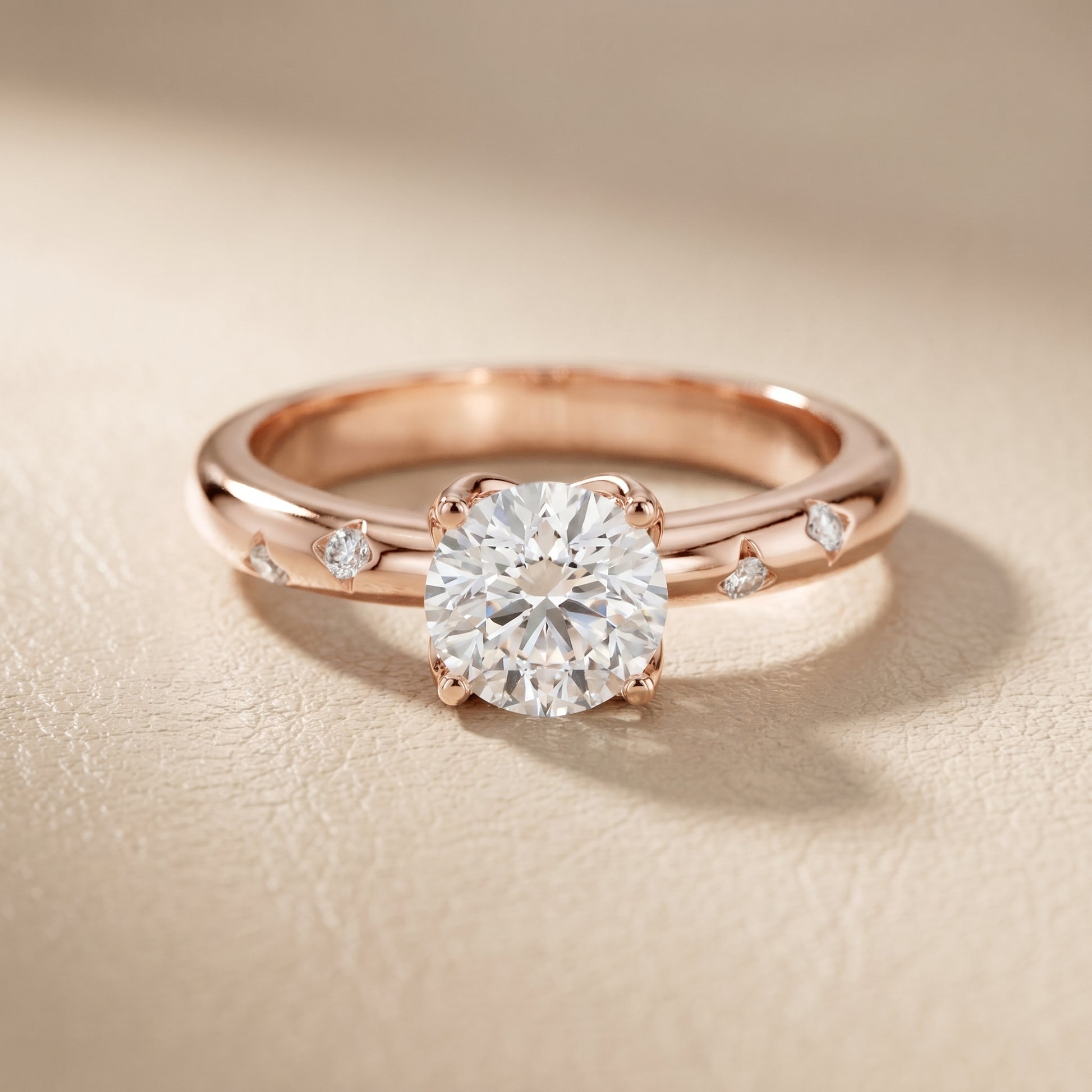
What Is a D Color Lab Grown Diamond?
A D color diamond is the highest color grade possible.
It contains absolutely no visible color, making it extremely rare and desirable. These diamonds are icy white and offer exceptional brilliance.
Benefits of D Color Diamonds
1. Ultimate Colorless Appearance
D diamonds appear crystal-clear with zero warmth or yellow tint.
2. Premium Luxury Choice
If you want the absolute best available, D color delivers unmatched prestige.
3. Perfect for White Metals
D color diamonds pair beautifully with:
- Platinum
- White gold
- Silver settings
Downsides of D Color Diamonds
Higher Price
The biggest drawback is cost. Even a tiny difference in color grade can increase the price significantly.
In reality, many people cannot visually distinguish a D color diamond from an E or F color diamond once set in jewelry.
If you're i investing in premium Lab Grown Diamond Jewelry, ask yourself whether paying extra for an invisible difference makes sense.
What Is an E Color Lab-Grown Diamond?
An E color diamond sits just below D on the grading scale.
It is also considered colorless, with only microscopic traces of color that are invisible to the naked eye.
Many experts consider E diamonds the sweet spot between luxury and value.
Benefits of E Color Diamonds
1. Nearly Identical to D Color
Most people cannot tell the difference between D and E diamonds.
2. Better Value
E diamonds often cost slightly less than D while maintaining an elite appearance.
3. Excellent for Engagement Rings
Because of their beauty and affordability balance, E diamonds are highly popular in Lab Grown Diamond Engagement Rings.
For couples seeking maximum sparkle without overspending, E color can be a smart investment.
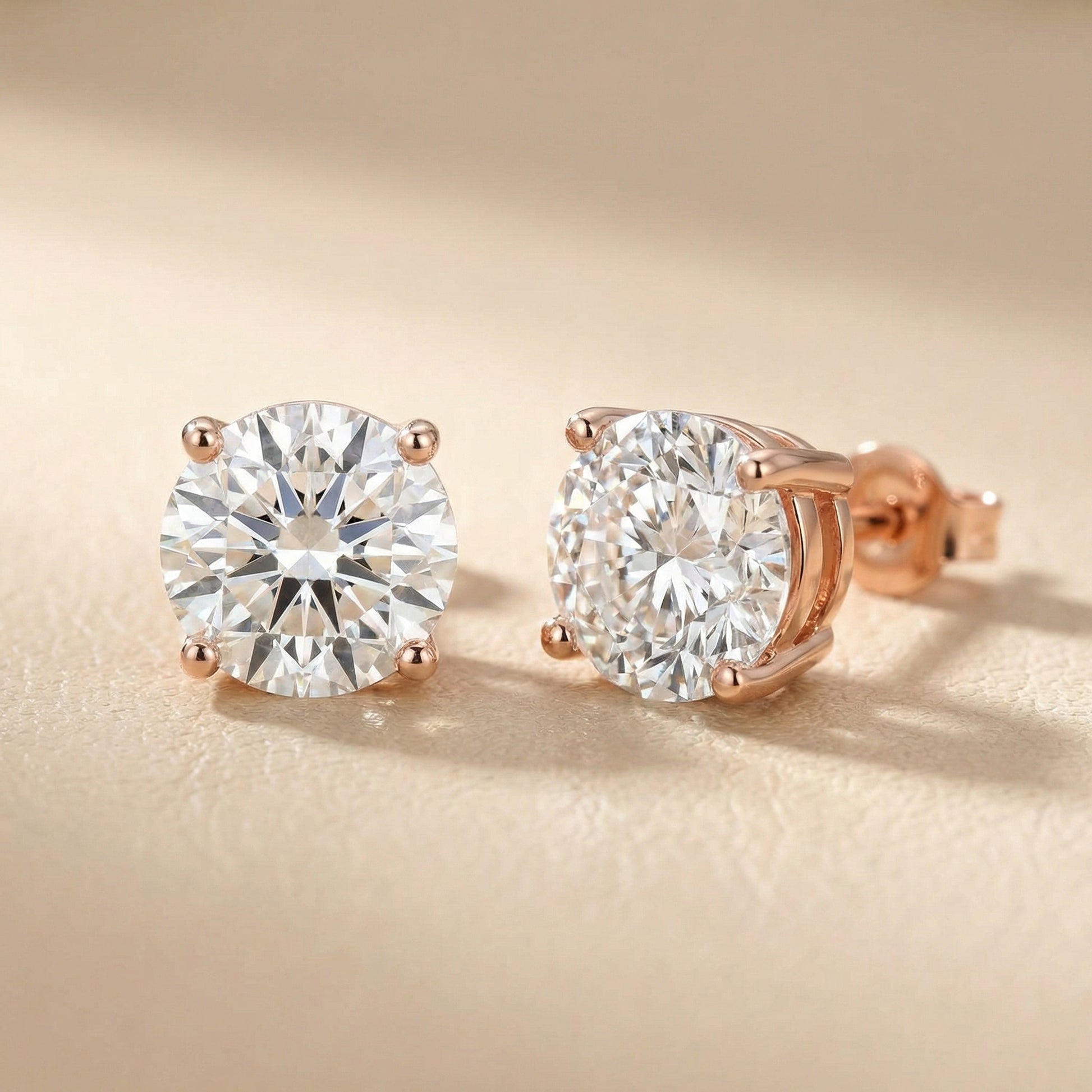
What Is an F Color Lab-Grown Diamond?
An F color diamond is still classified as colorless.
Although it may contain an incredibly tiny hint of warmth, this difference is nearly impossible to notice without side-by-side comparison.
Benefits of F Color Diamonds
1. Best Value in the Colorless Category
F diamonds often provide the most affordable option among D - F grades.
2. Exceptional Beauty
To the naked eye, F color diamonds still look incredibly white and brilliant.
3. Budget-Friendly Luxury
Choosing F color allows buyers to allocate more money toward:
- Larger carat size
- Better cut quality
- Higher clarity
For buyers looking at Lab Grown Diamond Earrings, F color is often an excellent choice because earrings are viewed from a greater distance than rings.
D vs E vs F: Can You Actually See the Difference?
The honest answer?
Most people cannot.
Even trained professionals often struggle to identify differences without magnification and controlled lighting.
Here’s a realistic comparison:
|
Color Grade |
Visible Difference |
Price Level |
|
D |
Completely colorless |
Highest |
|
E |
Almost identical to D |
Slightly lower |
|
F |
Nearly identical to E |
Better value |
When diamonds are placed in a setting, especially in everyday jewelry, these small differences become even harder to notice.
For example:
A person admiring your ring is far more likely to notice:
- Sparkle
- Carat size
- Ring design
than subtle color variations.
That’s why many buyers choose F color diamonds and invest savings into a better cut, since cut quality affects sparkle more than color.
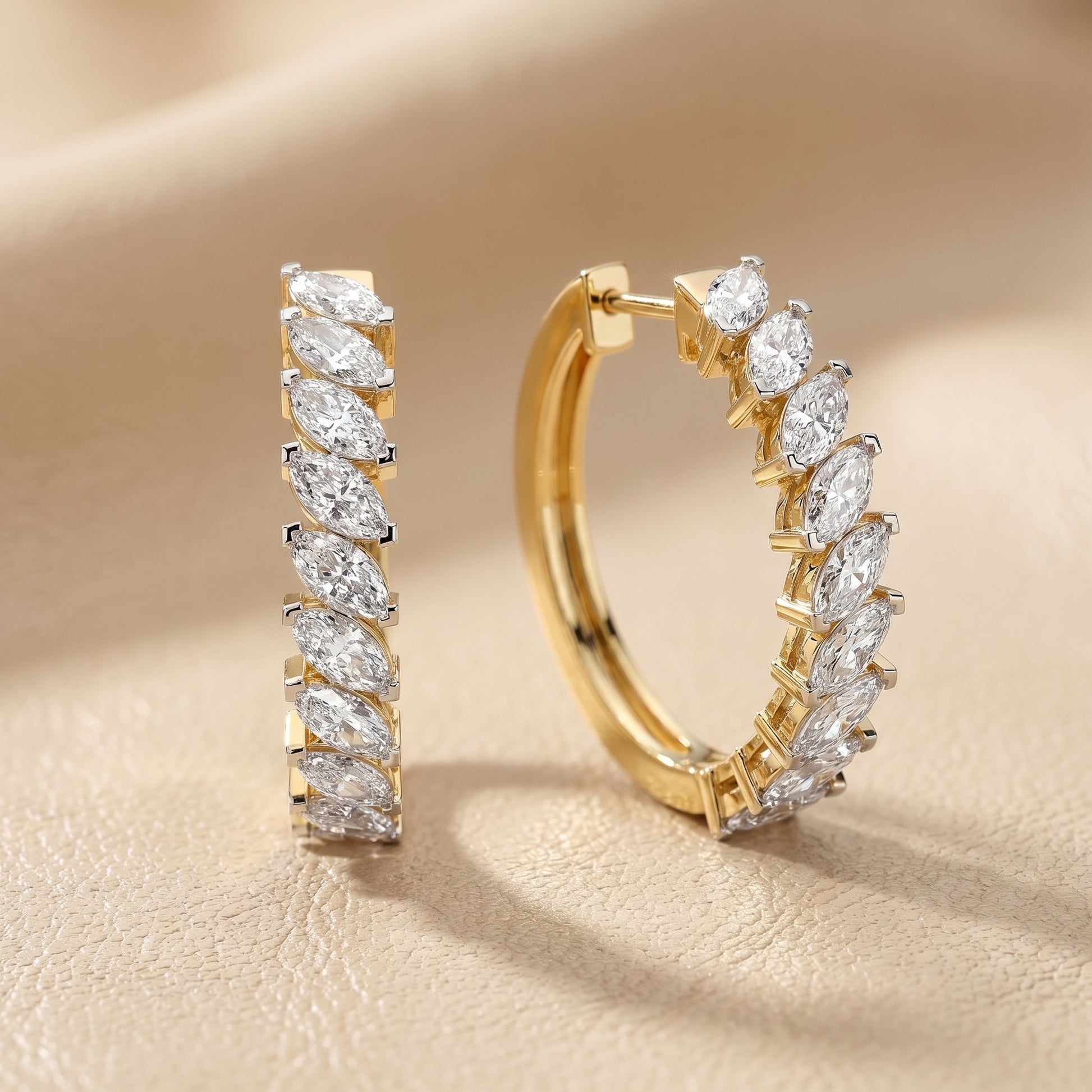
Why Cut Quality Matters More Than Color
Here’s something many first-time buyers don’t realize:
Cut quality has a bigger impact on sparkle than color grade.
A poorly cut D diamond may look less impressive than a beautifully cut F diamond.
The best lab-grown diamonds typically prioritize:
- Excellent Cut
- Good Clarity
- Balanced Color
- Carat Size
When buying Lab Grown Diamond Jewelry, many jewelers recommend prioritizing cut over ultra-high color grades.
An ideal-cut F diamond can outperform an average-cut D diamond in brilliance.
Best Diamond Color Grade for Engagement Rings
Choosing the right color grade depends on your preferences and budget.
Choose D Color If:
- You want absolute perfection
- Budget is not a concern
- You love premium luxury
Choose E Color If:
- You want elite quality at a slightly better value
- You prefer balance between luxury and cost
Choose F Color If:
- You want excellent value
- You prefer a bigger stone
- You care more about sparkle than microscopic color differences
Today, many couples purchasing Lab Grown Diamond Engagement Rings choose E or F color because they deliver luxury without overspending.
Best Color Grade for Diamond Earrings
When buying earrings, color becomes even less important.
Why?
Because earrings are farther from eye level and harder to inspect closely.
That’s why many jewelers recommend F color diamonds for Lab Grown Diamond Earrings.
You’ll still enjoy incredible brilliance while saving money.
A smart approach is choosing:
- F Color
- VS1 or VS2 clarity
- Excellent cut
This combination offers outstanding beauty and value.
How Metal Type Affects Diamond Color
The metal setting can influence how white a diamond appears.
Platinum or White Gold
These metals highlight whiteness, making D - F diamonds look extra bright.
Yellow Gold
Yellow gold can mask tiny color differences, meaning even F or G diamonds look beautiful.
Rose Gold
Rose gold naturally adds warmth and pairs wonderfully with slightly warmer diamonds.
If you’re choosing Lab Grown Diamond Jewelry, the metal choice may matter just as much as the color grade.
Are D Color Diamonds Worth the Extra Cost?
For some buyers, yes.
For others, not really.
Ask yourself:
Do you want perfection?
Go with D.
Do you want smart luxury?
Choose E.
Do you want the best value?
F may be your winner.
The reality is that most people cannot visually tell the difference between D, E, and F diamonds after the stone is mounted.
Instead, they notice brilliance and size first.
Why Lab-Grown Diamonds Are Growing in Popularity
Consumers across the USA are increasingly choosing Lab Grown Diamond Jewelry for several reasons:
Better Price
Lab-grown diamonds often cost significantly less than mined diamonds.
Ethical Sourcing
No mining-related environmental damage.
Same Beauty
They offer identical sparkle, durability, and chemical composition.
Certified Quality
Many lab diamonds are certified by respected organizations like IGI and GIA.
This affordability allows buyers to choose higher-quality stones, including premium Lab Grown Diamond Engagement Rings and elegant Lab Grown Diamond Earrings.
Expert Buying Tips for Choosing Diamond Color
1. Don’t Overpay for Invisible Differences
If you can't see it, ask if it's worth the premium.
2. Prioritize Cut First
Excellent cut = maximum sparkle.
3. Match Color With Metal
White metals pair best with colorless diamonds.
4. Think About Jewelry Type
Rings may justify higher color grades more than earrings.
5. Compare Side-by-Side
Seeing diamonds together helps reveal subtle differences.
Final Thoughts: D vs E vs F Does It Really Matter?
At the end of the day, D, E, and F lab-grown diamonds are all stunning choices.
The biggest difference comes down to your priorities.
If perfection matters most, choose D color.
If you want luxury and value, E color is an excellent option.
If you want maximum beauty without overspending, F color may be the smartest choice.
For most buyers, especially those purchasing Lab Grown Diamond Jewelry, Lab Grown Diamond Engagement Rings, or Lab Grown Diamond Earrings, the difference is so small that investing in a better cut or larger carat size often a delivers more noticeable beauty.
The truth is simple: a beautifully cut diamond whether D, E, or F n will sparkle brilliantly and look stunning for years to come.
Continue Reading

Why Side Stone Rings Are Perfect for a Timeless Engagement
Choosing an engagement ring is about more than finding a beautiful piece of jewelry. It is about choosing a design...
Read Article
The Ultimate Guide to Choosing a Halo Diamond Engagement Ring
Choosing an engagement ring is one of the most exciting parts of planning a future together. With so many diamond...
Read Article
Why Choose a Three Stone Diamond Engagement Ring?
Choosing an engagement ring is about more than finding a beautiful piece of jewelry. It is about finding a design...
Read Article